


If you’ve ever launched a website or updated an app, you’ve probably heard the terms “staging” vs. “production.” But what do they really mean? And why are they so important in the world of web development?
At Digital Romans, we simplify the complex world of digital marketing and development. So, whether you’re a business owner, startup founder, or just curious, we’ll help you understand how staging vs. production environments work—without the jargon.
Let’s break it down in simple terms.
What Is a Staging Website?
A staging website is like a dress rehearsal before the grand premiere.
Imagine you’re launching a new product. Before showcasing it to your customers, you’ll probably test it, make adjustments, and see how everything functions. That’s exactly what a staging website does for your online presence.
Here’s what happens in the staging environment:
- Developers and designers test updates or new features.
- Bugs or glitches are identified and fixed.
- Website speed, responsiveness, and layout are reviewed on different devices.
- No real customers visit the staging site — it’s private, usually protected by a password.
Think of it as your website’s private testing ground. You can try out new features, change layouts, or update the code — all without affecting the live site
What Is a Production Website?
A production website is the real thing — the final, public-facing version of your website that users and search engines can see.
Once everything is tested and approved in the staging environment, your team moves the changes to the production site. This is the version that:
- Shows up on Google.
- Customers, clients, and users access it.
- Collects real data like orders, sign-ups, or inquiries.
In short, this is where your business actually happens online.
Why You Should Never Skip the Staging Phase
It might be tempting to skip the staging stage to save time. But that can lead to big problems like broken links, poor user experience, or even complete website crashes.
Here’s why staging is a must:
- Avoid downtime: Updates can be made safely without affecting the live website.
- Error checking: Catch bugs before your customers do.
- Team collaboration: Developers, designers, and marketers can test everything without stepping on each other’s toes.
- Better SEO protection: Mistakes on a live site can harm your Google rankings.
At Digital Romans, we always insist on a solid staging process. It ensures that your business website works flawlessly, no matter how many times we update or scale it.
Why Do These Environments Matter?
You might wonder—can’t we build a website and put it online right away? Technically, yes. But skipping these steps is like releasing a movie without editing it. It’s risky, unprofessional, and could cost you customers.
Here’s why staging and production environments are essential, especially in professional development and digital marketing:
1. Avoid Embarrassing Mistakes
Testing in staging means you catch errors before your customers see them. Imagine a broken payment button or a spelling mistake on your homepage. That’s not something you want to live.
2. Real-World Testing
A staging environment replicates real-world conditions—like different screen sizes, browsers, or user behaviours. It shows you how your website will perform under actual usage.
3. Safe and Secure
Any changes, experiments, or new features should first be tested in staging. If anything breaks, no harm is done. But in production? Even a small bug could lead to downtime or data loss.
4. Smoother Team Collaboration
Teams at Digital Romans use staging to align developers, designers, and project managers. Everyone can review the final product together before giving the green light for launch.
Key Differences: Staging vs. Production
Here’s a quick breakdown of how staging and production compare:
| Factor | Staging | Production |
|---|---|---|
| Purpose | Testing new changes safely | Live for public users |
| Who Uses It | Developers, testers, stakeholders | Real users and customers |
| Data | Sample or copied from production | Real customer data |
| Risk Level | Low – safe to break and test | High – needs to be stable and secure |
| Access | Restricted to internal teams | Open to the public |
How It Works in a Real Project
Let’s say a client comes to Digital Romans to redesign their e-commerce site. Here’s how we use these environments:
- Development Phase:
Our developers write the code and build features in a development environment. It’s like a lab—things can break here, and that’s okay. - Staging Phase:
Once features are ready, we move them to a staging environment. Here, the team tests everything—checkout process, page speed, mobile responsiveness, and more. This is where clients can also preview the site and give final feedback. - Production Phase:
After all approvals and tests, we push the changes live to the production environment. Now, real customers can use the new site with zero disruptions.
This three-step flow keeps everything clean, organised, and risk-free.
Mistakes to Avoid When Skipping Staging
Sometimes, businesses skip the staging step to save time or money. But here’s what could go wrong:
- Broken features go live, frustrating customers.
- Downtime or errors can affect SEO rankings.
- Unapproved content might be published accidentally.
- Security vulnerabilities may go unnoticed.
At Digital Romans, we always prioritise quality control. We believe every website deserves a trial run before stepping onto the main stage.
Common Misconceptions
“Can’t we just test on the live site?”
Not a good idea. Live testing can lead to issues your users will experience firsthand. It’s like fixing a car while driving it on the highway.
“Staging sounds too technical.”
It doesn’t have to be. Even small businesses benefit from it. Our team handles all the behind-the-scenes setup so you can focus on your business while we ensure everything works perfectly.
“We’re a startup—do we really need staging?”
Yes. Whether you’re a startup or a big brand, a smooth user experience builds trust. Staging ensures your launch goes off without a hitch.
Why Digital Romans Does It Better
At Digital Romans, we don’t cut corners when it comes to your digital presence. Our structured development process includes:
- Dedicated staging environments for every project.
- Rigorous QA testing before every release.
- Seamless rollout to production for minimal downtime.
We handle everything from design and development to deployment, so you can focus on growth while we take care of the tech.
Conclusion
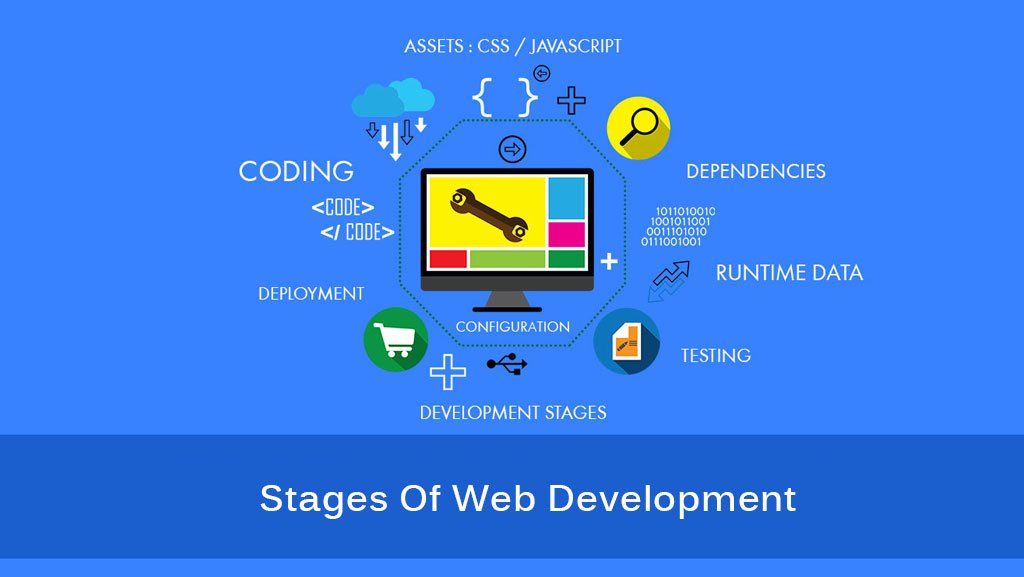
Staging and production are the final—and most important—stages of web development. Staging is your safety net. It helps catch bugs, test functionality, and polish your product. Production is where your users interact with the final result.
By keeping these environments separate, you ensure a smoother, safer, and more successful launch.
So, the next time you’re planning a website or app launch, remember: don’t skip the rehearsal. Your customers deserve the best show possible.