

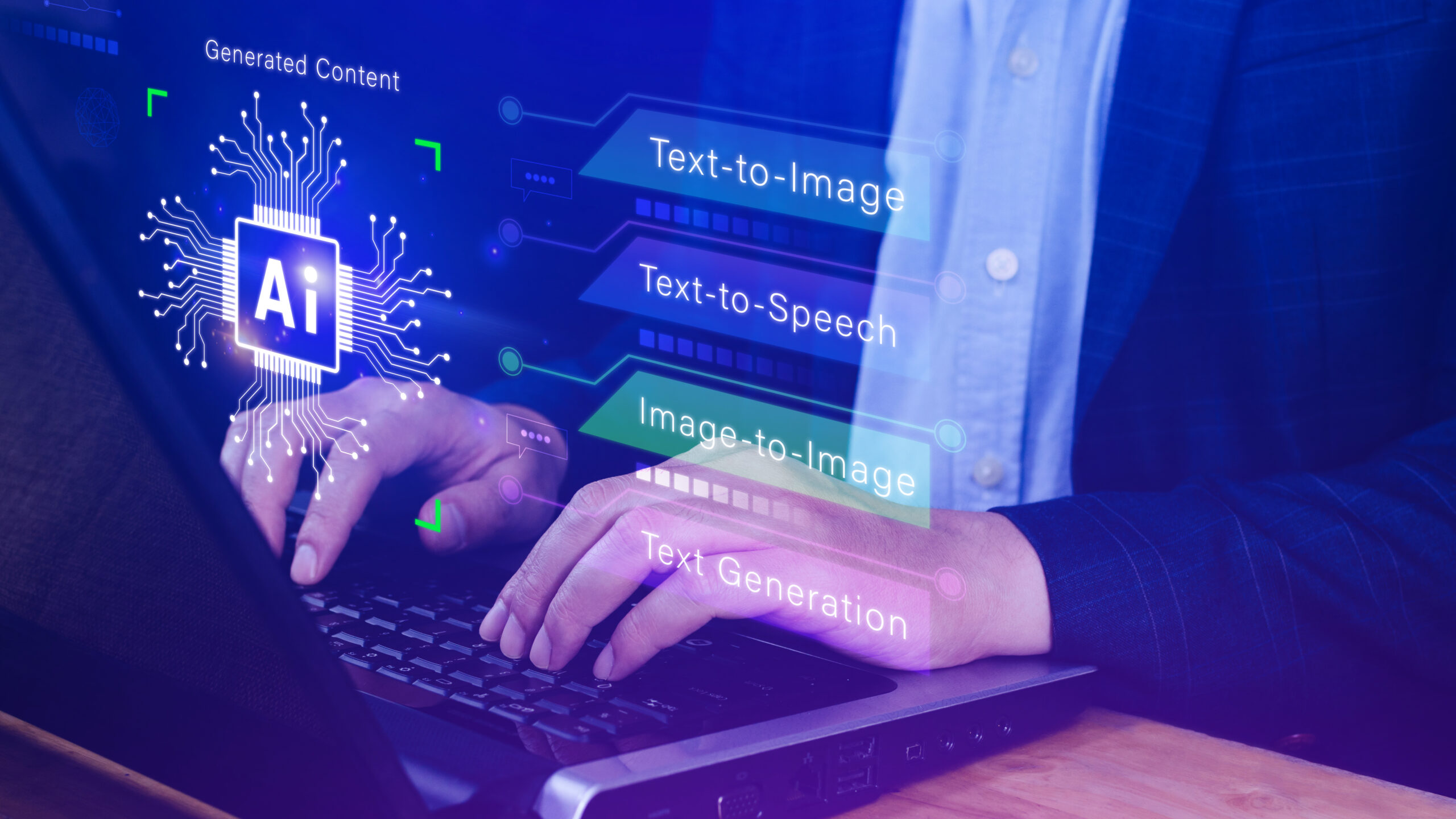

Humans vs AI in SEO shows how many companies rushed to adopt artificial intelligence (AI) to boost marketing, only to realise it isn’t the “replacement” they expected.
Without human skills and real-world experience, AI can create more problems than solutions—causing technical website issues or producing content that sounds robotic.
As a result, businesses often spend even more time and money hiring experts to fix the very AI mistakes they hoped would save effort.
This doesn’t mean AI is useless in search engine optimisation (SEO). In fact, it’s perfect for tasks that are repetitive or involve a lot of data, like competitor research, technical website checks, keyword research, and tracking performance.
AI can study huge amounts of information to find ranking trends, understand what users are looking for, and spot content gaps that humans might miss. It can also speed up work by creating outlines, rough drafts, headlines or meta descriptions, helping SEO teams start faster — not replace them.
So, will AI replace SEO?
The short answer: No, not really.
What’s more likely is that AI will change how SEO works (and many people say it already has). It will affect the way we work, the skills we need, and how we build strategies. But asking whether AI will replace SEO misses the bigger idea. The most effective SEO doesn’t pick humans or AI — it uses both. The smartest SEO combines AI’s speed with human understanding, which is why discussions about humans vs AI in SEO are more relevant than ever.
“AI is an amazing tool that helps us move faster, but without human strategy, it’s like driving fast without knowing where you’re going,” said Ronnel Viloria, Lead SEO Strategist at Thrive Internet Marketing Agency.
“We’ve seen clients use AI tools thinking they can do everything, but the best results always happen when humans work with AI — not when they try to let AI replace them.”
Humans vs AI in SEO Writing: The Missing Human Touch
If you’ve been reading blogs or social media posts lately, you may have noticed that a lot of content sounds almost identical. This is the result of using AI without human editing, highlighting a key issue in humans vs AI in SEO. The writing may be correct and keyword-friendly, but it often feels empty and emotionless.
Research shows that people can sense when content doesn’t feel natural, even if they can’t explain why. As soon as readers suspect that a machine wrote something, their trust starts to drop.
To understand this better, a researcher ran an experiment to see how people react — both consciously and subconsciously — to AI vs. human SEO writing and images.
In the study, 24 participants between the ages of 25 and 65 were shown different images, some real and some made by AI. Their electrodermal activity (EDA) was measured to track subconscious emotional reactions. The goal was to find out if people have a natural ability to detect artificial content and when that instinct might fade.
The results were eye-opening.
Participants showed much stronger emotional reactions when they saw real human faces compared to AI-generated ones — even before they knew which was which. This suggests that our bodies can sense authenticity before our minds recognise it.
When they were asked to identify whether faces were real or AI-made, another pattern appeared: people who used AI often in their daily lives were better at spotting AI content — but only to a certain point. Very realistic AI faces were still mistaken for real ones about 22% of the time. This shows that while AI can look real, it still lacks true emotional depth.
The most interesting finding came when brand familiarity was involved. People’s emotional reactions depended more on how they felt about the brand than on whether the content was human or AI-generated. This reinforces a key truth: trust is built through emotion and authenticity, not technology alone.
For marketing, this means the difference between AI-written and human-written content isn’t about speed — it’s about heart. AI can produce text, but humans create meaning, which is why discussions about humans vs AI in SEO are so important. Humans understand emotions, culture, and audience needs — the pieces that make stories connect with real people.
In SEO and content marketing, AI may be faster, but humans still provide the depth and authenticity that matter most.
Smarter SEO Requires Human vs AI Strategy
As AI tools become more common, businesses are learning that automation alone doesn’t create better SEO. In fact, relying too much on AI can actually hurt results.
Recent insights from Search Engine Journal show that companies that replaced their content strategy with AI ended up with bland, generic content. Some businesses even ran into technical issues or had to spend money fixing or rewriting AI-generated content because it didn’t match their brand or missed important context.
The truth is, strong SEO doesn’t come from choosing either humans vs AI — it comes from using both together.
AI provides speed and can handle large amounts of data, while humans offer strategy, creativity and ethical judgment. When combined, they create a powerful system where AI manages the data and humans guide the direction. This balance will shape how AI continues to influence SEO in the future.
“AI can study millions of data points in seconds, but it can’t understand the real reasons behind what users do,” Viloria said.
“That’s where strategists step in — they turn information into purpose, and purpose into a strategy.”
What AI Still Can’t Replace
Even with all its improvements, AI still can’t match humans in areas that require real understanding and judgment:
- Understanding the reasons behind behaviour. AI can detect search intent, but it can’t fully understand the emotions, culture or personal experiences that influence people’s actions.
- Emotional storytelling. AI can reword sentences, but only humans can create stories with real meaning and emotion.
- Keeping a consistent brand voice. Human writers know how to adjust tone for different audiences while still sounding true to the brand.
- Ethical and strategic thinking. AI doesn’t recognise bias, misinformation or the long-term impact of certain content decisions.
- Editing and refining. Strong SEO content still needs a human editor who knows what feels natural, trustworthy and convincing.
The discussion about AI vs. human SEO writing isn’t about who is better — it’s about how they can work together. The brands that succeed today are the ones using AI as a helpful tool, while still relying on human expertise to guide quality and strategy.
How Will AI Affect SEO?
AI will continue to automate many parts of SEO, from technical fixes to on-page improvements. But what will separate the best performers from the rest is how they use these tools.
AI in SEO isn’t about doing more tasks automatically — it’s about making smarter decisions.
AI can find patterns, study huge amounts of data and offer suggestions. But only human experts can decide which insights truly support a brand’s goals and meet users’ needs.
So when people ask if AI will replace content writers or replace content strategy, the answer is no. What will replace old, outdated SEO methods is human-guided AI — tools that work under expert supervision, supported by creativity, judgment and ethical thinking.
Moving Forward: How to Combine Automation with Human Insight
If you’re wondering how AI will change SEO or how to create a balanced approach, start with these steps:
- Build Hybrid Workflows
Use AI for time-consuming tasks like grouping keywords, tracking performance and generating content ideas. Then let humans handle storytelling, strategy and the final edits. - Review AI Outputs with Human Editors
Every piece of content created with AI should be checked by a skilled editor to make sure it’s clear, accurate and matches the right tone. - Focus on Human-Centred Content Strategies
Invest in content that comes from real experience — thought leadership, personal insights and strong brand personality. These are the areas where human connection matters most. - Train Your Team Regularly
Encourage SEO experts and writers to keep learning how to use AI wisely instead of relying on it blindly.
These steps won’t just help you keep up — they’ll help you stand out in a world where many brands sound the same.
People at the Core of Every Strategy
Returning to the question “Will AI replace SEO?” — at Thrive, we’re confident that it won’t. We use AI in SEO wisely, with humans leading the process. From our experience, the strongest results come from human teamwork. While AI tools help us work faster, every SEO campaign is still directed by skilled strategists, analysts and writers who know how to reach real audiences.
“AI is a tool, but people are the storytellers. And that’s what separates real brands from digital noise,” Viloria said.
Our team understands that authenticity builds trust — and trust leads to conversions. That’s why we continue to invest in human creativity, critical thinking and storytelling to create strategies that go beyond algorithms.
In the end, smarter SEO isn’t about replacing people with machines. It’s about giving people the right tools and keeping human insight at the heart of every decision.
If you want to improve your SEO with human-guided AI, contact us today.
Frequently Asked Questions (FAQs) About AI SEO
HOW WILL AI AFFECT SEO IN THE COMING YEARS?
AI will make SEO faster by improving data analysis, automating technical tasks and helping find trends more easily. But it won’t replace human strategy. Businesses will still need people to interpret insights, shape messages and make sure content feels real and matches the brand.
HOW WILL AI CHANGE SEO STRATEGIES FOR BUSINESS?
AI will change how teams do keyword research, study competitors and track performance. Automation will make repetitive work easier, but storytelling and emotional connection will still depend on humans. The best strategies will combine AI automation with human skill.
WILL AI REPLACE CONTENT WRITERS COMPLETELY?
No. AI can’t fully replace content writers because it doesn’t understand emotions, intuition or human experiences. AI can help create drafts or outlines, but humans are needed to refine the message, keep the brand voice consistent and build real trust with audiences.
WILL SEO BE REPLACED BY AI AUTOMATION?
Unlikely. AI can speed up tasks and give useful insights, but SEO still depends on human creativity and decision-making. So when people ask, “Will SEO be replaced by AI?” the real answer is collaboration — humans guiding AI to achieve better results.
WHAT ROLE DOES HUMAN CREATIVITY PLAY IN AI-DRIVEN SEO?
Human creativity is still essential. It turns data into stories, insights into action and visitors into loyal customers. AI can process information, but only people can create content that feels meaningful and emotionally engaging.
HOW CAN MARKETERS USE AI IN SEO RESPONSIBLY?
Marketers should use AI to support their work, not replace it. Use AI for keyword grouping, tracking performance and generating ideas. But always have human editors review content to check tone, accuracy and originality. Responsible use means letting AI improve efficiency while humans maintain quality.
WHAT ARE THE RISKS OF RELYING TOO MUCH ON AI FOR SEO?
Depending too much on AI can result in dull, generic content that hurts brand trust. It can also cause factual mistakes or ethical issues. Without human oversight, AI can create more problems — from ranking drops to losing audience engagement.
HOW CAN AI AND HUMANS WORK TOGETHER FOR SMARTER SEO?
The best approach is to combine AI’s data power with human judgment. AI handles large amounts of information quickly, while humans add context, creativity and strategic direction. Together, they produce content that performs well and feels genuine.
WILL AI REPLACE CONTENT STRATEGY AND HUMAN DECISION-MAKING?
No. AI can suggest ideas and create drafts, but it lacks ethical understanding and emotional intelligence. Humans still make the final decisions on tone, direction and what the audience needs.
HOW SHOULD BUSINESSES PREPARE FOR THE FUTURE OF AI IN SEO?
Businesses should adopt a hybrid model. Understand how AI will change SEO and use tools that support your team’s strengths. Let AI handle repetitive tasks, while human strategists and writers lead storytelling, branding and content quality.