


Search engine results pages (SERPs) have changed a lot. With tools like Google’s AI Overviews (previously Search Generative Experience), ChatGPT Search, Bing Copilot and other AI-powered features, people no longer need to click through many links to get answers. Instead, Google and other search engines show summaries right on the results page using information from different trusted sources.
These new features create both challenges and opportunities for businesses that depend on search traffic.
If your team notices that click-through rates (CTR) are dropping even though your rankings haven’t changed, you’re not the only one. Rich results, featured snippets and AI answers mean users get solutions faster, which leads to fewer clicks but more on-page answers.
Recent research shows this shift is bigger than many expected:
- Industry studies report that CTR for top-ranking pages has fallen by 30% or more. Ahrefs found up to a 34.5% drop for keywords with Google’s AI Overview, and GrowthSRC found about a 32% drop for the #1 organic result
- The #1 organic position now gets about 9% fewer clicks after AI Overviews became more common (Search Engine Journal).
- For searches without AI Overviews, the top result gets about 20–27% CTR. But when Overviews appear, CTR can drop to 15–20% or even lower, depending on the search and device type (Backlinko).
- Video and visual results may still get higher engagement, but this depends on the user’s intent and the type of SERP (SISTRIX).
This doesn’t mean SEO is dying — it means user behavior is changing, and your strategy needs to change with it.
In this guide, you’ll learn how to use traffic analytics, structured data and smarter keyword research to keep your visibility strong, adapt to zero-click searches and stay ahead in a shifting search environment.
Table of Contents
ToggleUnderstanding Google SERP Changes and How They Affect Your Web Traffic
Google’s search results pages (SERPs) look very different today than they did a few years ago. They now include many rich, interactive features that give users answers quickly — often without visiting a website. This is a major shift in how Google organizes information.
Because of this, businesses can’t focus only on ranking in the “#1 position” anymore. Instead, you need to think about how visible you are across multiple SERP features like AI summaries, Knowledge Panels, Local Packs and more. Understanding each of these elements will help you adjust your SEO strategy the right way.
Key SERP Elements You Need to Know
AI Overviews (SGE)
These are AI-generated answers that appear at the very top of search results. Google pulls information from many websites and gives users a quick summary.
This is one of Google’s biggest changes because:
Users get the answer instantly
Many people do not scroll down or click on links afterward
It affects click-through rates even for pages ranking #1
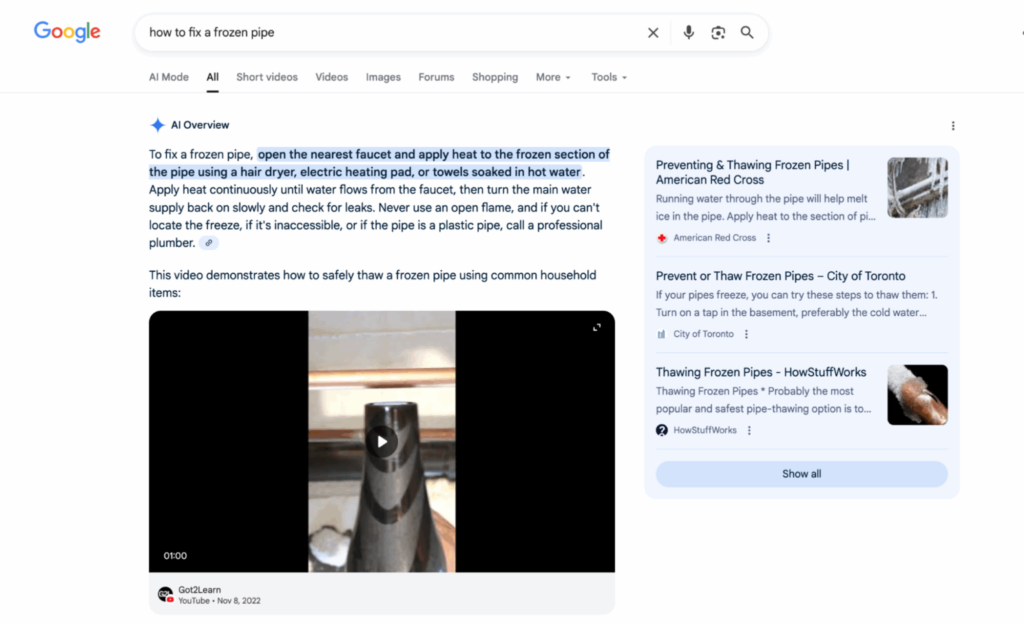
Featured Snippets (“Position Zero”)
A highlighted box that gives a direct answer, list, steps or table.
It appears above all organic results, so it can take a large share of clicks
These snippets often include:
A short paragraph
Step-by-step instructions
List items
Quick facts or definitions
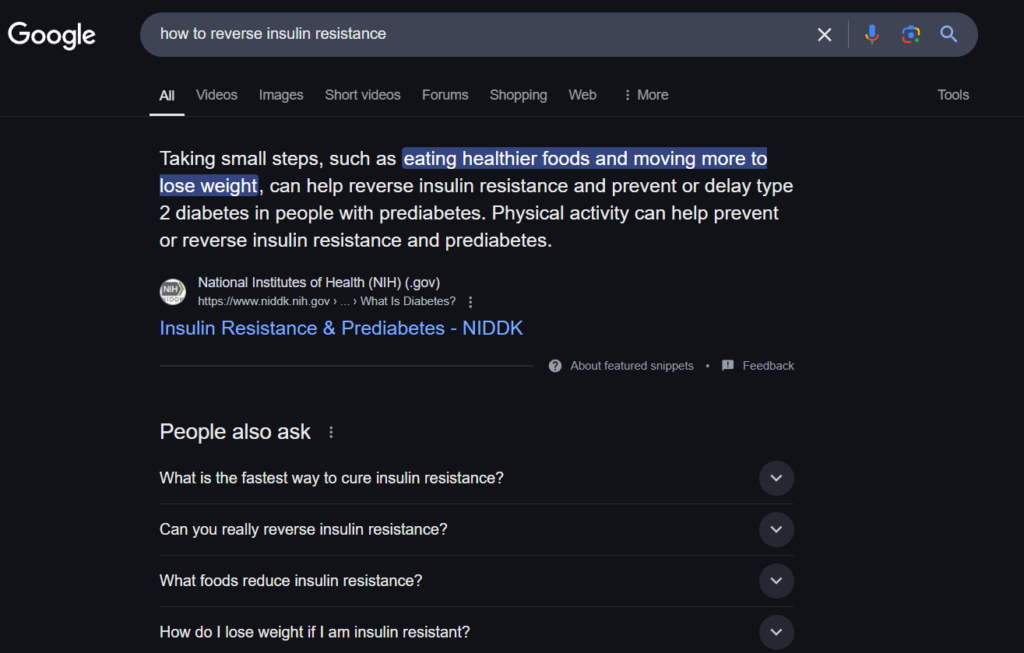
People Also Ask (PAA) Boxes
These are dropdown questions that show up on the search results page. When you click on one, it expands and displays a short answer taken from a website.
Why it matters:
PAA boxes let users explore related questions without leaving Google, which means fewer clicks to actual websites. They also give you extra chances to appear in search results if your content answers common questions clearly.
Local Packs
These are the three business listings that show up when someone searches for a local service (for example: “dentist near me”). They include the business name, reviews, phone number, address and a small map.
Why it matters:
Local Packs appear above normal search results, so getting into the top 3 can bring a lot more clicks, calls and visits. Strong reviews and a complete Google Business Profile help you show up here.
Knowledge Panels
These are boxes that appear on the right side of desktop results (or at the top on mobile).
They show important details about a company, person or place — like history, reviews, social links, contact info and more. Google pulls this information from trusted sources such as Wikipedia, Google Business Profile and official websites.
Why it matters:
Knowledge panels build credibility quickly and often answer a user’s question immediately, reducing the need for them to scroll or click.
Perspectives and Discussions Tabs
These sections highlight posts and conversations from social platforms like Reddit, Quora, YouTube and forums. They show real opinions, personal experiences and community discussions.
Why it matters:
Google is giving more importance to authentic, human voices. This means businesses that share genuine stories, tips and user-generated content have a better chance of being seen.
Visual Carousels and “Things to Know”
These are sections that show images, videos, infographics and quick facts related to the search topic. They often appear above regular text results and grab attention immediately.
Why it matters:
People notice visuals faster than plain text, so content that includes strong visuals, step-by-step guides or useful tips is more likely to appear in these spots — and more likely to earn clicks.
These Google SERP features give people quick answers right on the results page, so they often don’t need to visit a website. Because of this, fewer users click through to full pages.
However, research shows that some SERP spots still get strong engagement.
For example, featured snippets — the answer box at the very top — get about 67% of all clicks.
Regular organic results (the standard blue links) still get clicks too, but at a lower rate, with an average 28% click-through rate.
What Is a Good CTR for Organic Search in 2025?
What counts as a “good” organic click-through rate (CTR) in 2025 depends on the type of search and whether AI features appear on the page.
Here’s what the averages look like:
Searches without AI features (regular SERPs):
The top result usually gets 20–25% CTR.
Searches with AI Overviews:
The top result often drops to 15–19% CTR.
Mobile vs. desktop:
Mobile CTR is typically 10–12% lower than desktop.
Branded vs. non-branded searches:
Branded keywords (like “Nike shoes”) can still get 30%+ CTR.
In short, “good” CTR numbers are now more flexible and depend on the situation.
Tools like Google Search Console and GA4 can help you see how your CTR changes based on AI features, search type and device.
Even though overall clicks may be lower, appearing inside AI Overviews still helps.
Users may not click your site, but they see your brand, and that visibility builds trust and recognition over time.
6 Strategies to Maintain Traffic and Boost Website CTR
Based on the data and traffic insights mentioned earlier, it’s clear that keeping your website traffic strong today takes more than just getting a high ranking. Search engines are changing fast, and users interact with results differently.
To stay visible and keep your clicks steady, your strategy needs to be flexible and ready to adapt.
Optimize for Featured Snippets, Rich Results and AI Overviews
Featured snippets show up at the very top of Google — even above the first organic result — making them one of the best ways to stay visible.
To get your content included, you need to format it in a way that search engines (and AI tools) can easily understand and summarize.
How to do it:
Begin each section with a short, clear answer (40–70 words), then explain in more detail afterward.
Use helpful H2 and H3 headings that sound like real questions people would search.
Add a quick summary or “TL;DR” box to highlight key points.
Include sections like definitions, pros and cons or step-by-step instructions — these often appear in snippets and AI answers.
Add internal links so users (and Google) can move from short answers to deeper content.
Optimizing for AI Overviews also helps your brand appear in both the AI summary and the list of source links — giving you more visibility in one search.
For example, a plumbing company answering “how to fix a leaking faucet” with a simple step-by-step guide increases its chances of appearing in the snippet.
The main idea is to understand what users want and create clear, helpful content that matches their intent.
2. Implement Structured Data Markup (Smartly)
Structured data is special code you add to your website to help search engines understand your content better. It uses a standard format called Schema.org, which tells Google what different parts of your page mean, not just what they say.
When you add structured data correctly, Google can show rich snippets — like star ratings, product details or event info — directly in search results. These extra details make your listing stand out and usually increase clicks.
Structured data also works well with your analytics tools. When you connect schema markup with Google Search Console or GA4, you can clearly see how rich results affect your impressions, click-through rate and user engagement.
In simple terms, using structured data the right way helps Google show more useful information about your page in search results.
What to focus on in 2025:
Product, Review and VideoObject
Organization and Author schema to support E-E-A-T
Breadcrumb and Article schema for better
JSON-LD formatting for better understanding by AI tools
Good schema helps Google understand the purpose of your content, which increases your chances of appearing in AI Overviews, Knowledge Panels and other rich result features.
3. Leverage Long-Tail and Conversational Keywords
The time of focusing on short keywords like “best hotels” is gone. Today, people search in a more natural, conversational way. For example: “Where can I find a boutique hotel near downtown Austin with free breakfast?”
Since top positions in search results are highly competitive, long-tail keywords give you a clear advantage. These longer, more detailed phrases usually show stronger buying intent and have less competition.
For instance, instead of targeting “marketing automation,” you could target “best marketing automation software for real estate agents.” This helps you reach more specific users who know what they want.
These natural, conversational keywords also match how people talk to AI tools, leading to more relevant and high-quality traffic.
Actionable tips:
Use your analytics to find question-style or sentence-based search queries.
Write content that fits these conversational searches.
Use “People Also Ask” questions to build related topics.
Create blog posts that match voice search and AI search intent (like “what,” “why,” “how,” or “best way to…”).
4. Strengthen Your Local SEO Strategy
If your business targets local customers, appearing in Google’s Local Pack can be both challenging and valuable. To improve your chances, you need to optimize your Google Business Profile (GBP), collect real customer reviews and build strong local citations.
Local SEO is especially important now because AI Overviews often use GBP data when giving local answers.Lorem ipsum dolor sit amet, consectetur adipiscing elit. Ut elit tellus, luctus nec ullamcorper mattis, pulvinar dapibus leo.
How to improve your local SEO:
Make sure your business name, address and phone number (NAP) are the same everywhere online.
Ask customers to leave reviews and reply to them — these reviews often appear in AI-generated answers.
Use location-based structured data and upload geotagged images to strengthen your local signals.
Use GA4 to track how people interact with your Google Business Profile and Local Pack listing.
Strong local optimization helps your business appear more often in search results and ensures that AI tools include your business when showing local recommendations.
5. Publish High-Quality, Engaging Content
Content is still the core of Search Engine Optimization , but today Google also looks closely at the author’s real experience, credibility and trustworthiness. This is part of Google’s E-E-A-T guidelines (Experience, Expertise, Authoritativeness, Trustworthiness), which now influence both search results and AI-generated summaries. Brands that show genuine expertise are more likely to appear in these summaries.
What to focus on:
- Add author bios that show real qualifications or hands-on experience.
- nclude original insights like data, quotes or case studies.
- Use different formats such as videos, infographics and short clips to keep readers engaged.
- Write clear, keyword-rich headings that help both readers and search engines understand your content.
When your content shows true expertise and value, it performs better in search results and has a stronger chance of being featured in AI summaries and answer engines.
6. Diversify Your Traffic Sources
In 2025, you can’t depend only on Google to bring visitors to your website. With AI Overviews and constantly changing social media algorithms, people are discovering brands in many different ways. Relying only on organic search clicks is now risky — so you need multiple traffic sources.
Expand your reach through:
- PPC campaigns to reach high-intent customers even when organic CTR drops.
- Content marketing to build authority and earn brand mentions that can appear in AI summaries.
- Social media marketing using short videos, carousels and social search to engage new audiences.
- Email newsletters and retargeting to stay visible to users even when search clicks decrease.
A good example is Sneaker Boutique, a sneaker store in Florida. They were prepared for a drop in organic traffic because they worked with experts from Digital Romans Marketing Agency. The store had issues like inconsistent link placements, missing location details and duplicate links on their site.
Digital Romans fixed these SEO problems and also ran paid campaigns on Google and social media. This helped bring more targeted leads and steady traffic, even when organic search results were unpredictable.
Preparing for and Managing Reduced Organic CTR
As Google’s search results keep changing, even strong, well-optimized pages may see lower click-through rates. To stay ahead, you need to understand user behavior and strengthen your online presence, even when CTR becomes less predictable.
Step 1: Use analytics tools like GA4 and Google Search Console
- Track which search queries show AI Overviews.
- Compare CTR by device (mobile vs. desktop), country and SERP features.
- Set alerts when important pages suddenly lose CTR.
- Monitor brand impressions — these still matter even if clicks drop.
Step 2: A/B test your meta titles and descriptions
- Try emotional or attention-grabbing titles (e.g., “7 Proven Ways…”).
- Use natural, conversational language that feels human (“Are You Losing Traffic to AI?”).
- Update older titles every few months — search results change quickly.
Step 3: Add visuals and multimedia
- Use unique images, thumbnails or video schema to make your listing stand out.
- Try short explainer videos — video results currently earn about 4% higher CTR on average.
When search traffic changes, the key is to stay flexible and adapt quickly — not panic. This agility helps keep your brand strong, visible and competitive.